Explosive Ordnance Risk Education (EORE) Facilitator
The Explosive Ordnance Risk Education (EORE) Facilitator will support the delivery of community-based risk education activities to reduce the risk of injury and death caused by ...
Application deadline
Read more Read less about Explosive Ordnance Risk Education (EORE) Facilitator
Job Overview/Description
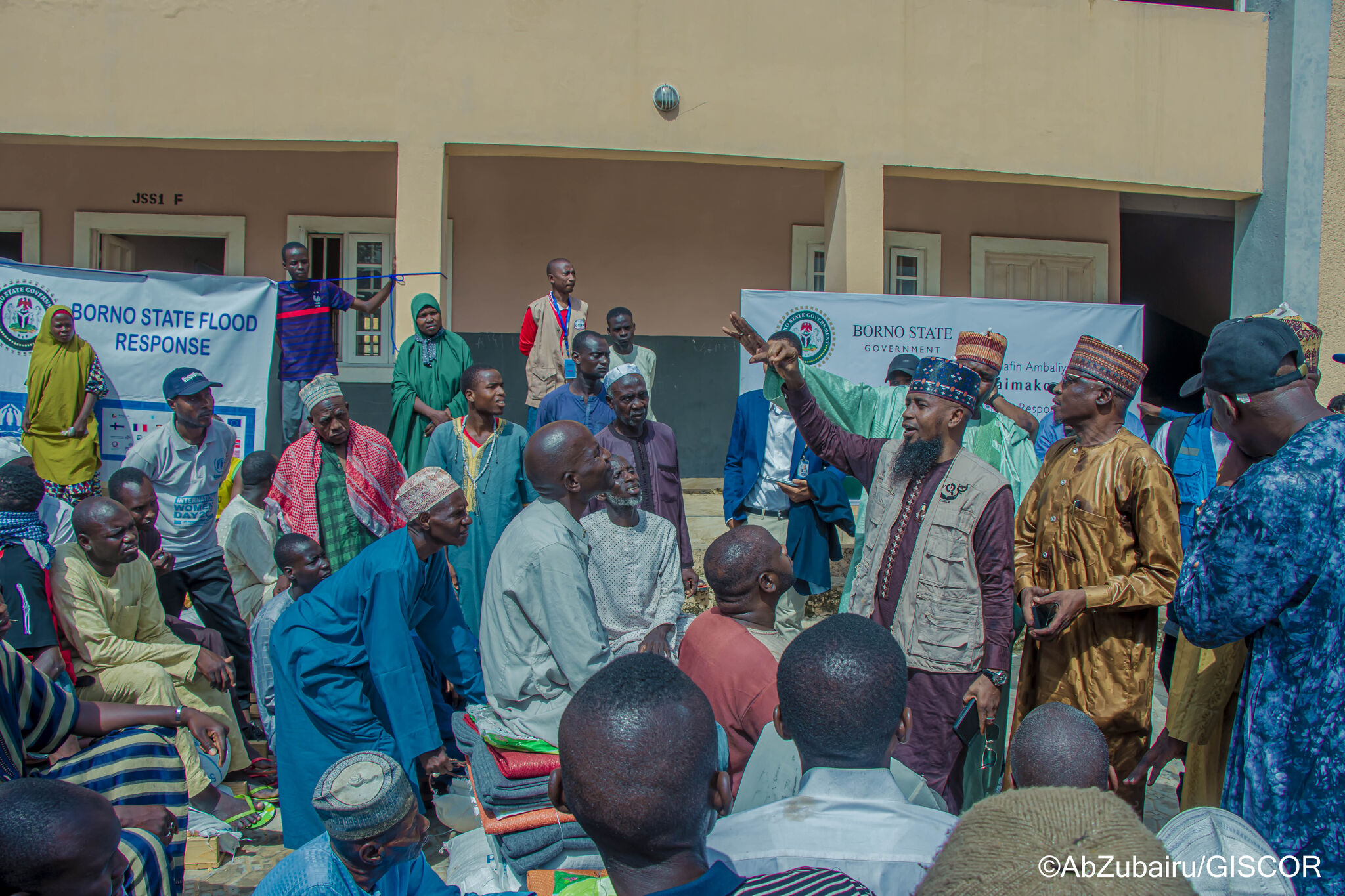
The Explosive Ordnance Risk Education (EORE) Facilitator will support the delivery of community-based risk education activities to reduce the risk of injury and death caused by explosive ordnance and other explosive hazards among conflict-affected communities in Damboa and Ngala LGAs of Borno State. The Facilitator will conduct awareness sessions for women, men, children, adolescents, displaced populations and other at-risk groups, using approved EORE messages and methodologies. The position will also support community mobilisation, identification and reporting of explosive ordnance hazards, promotion of safe behaviour and referral of relevant information to designated authorities and humanitarian mine action actors. The EORE Facilitator will be responsible for delivering accurate, accessible and age-appropriate explosive ordnance risk education to affected communities. The role will involve conducting awareness sessions, engaging community structures, identifying groups exposed to explosive hazards and promoting practical safety behaviours in line with approved EORE standards and organisational procedures. The Facilitator will ensure that all information shared is technically accurate, culturally appropriate and adapted to the needs of different population groups. The position will not involve handling, collecting, moving or attempting to investigate explosive ordnance. Any suspected explosive hazard must be reported immediately through established reporting and referral channels. Key Responsibilities • Conduct community-based EORE awareness sessions for children, women, men, adolescents, persons with disabilities and other vulnerable groups. • Deliver approved EORE messages on the identification of potential explosive hazards, associated risks and appropriate safe behaviours. • Explain and reinforce key safety messages, including recognising suspicious objects, avoiding contact, moving away from suspected hazards and reporting them to designated authorities. • Organise awareness sessions in communities, schools, learning spaces, displacement sites and other approved locations. • Adapt EORE messages and facilitation methods to suit different age groups, literacy levels, languages, cultural contexts and specific community needs. • Support community mobilisation and engagement to increase awareness of explosive ordnance risks and encourage safer behaviours. • Identify communities and population groups that may be particularly exposed to explosive hazards and share relevant information with the EORE Specialist or designated supervisor. • Receive and report community information about suspected explosive ordnance hazards through approved reporting channels without approaching, touching, moving or attempting to identify the objects physically. • Support the dissemination of EORE messages through community leaders, volunteers, teachers, youth groups and other relevant community structures. • Conduct follow-up awareness activities to reinforce key messages and assess community understanding of safe behaviours. • Maintain accurate records of awareness sessions, participant attendance, locations covered, target groups reached and key observations. • Prepare timely activity reports and provide feedback on community concerns, information gaps and emerging explosive ordnance risks. • Coordinate with Protection, Child Protection, GBV, WASH and other programme teams to integrate EORE messages into relevant community-based activities where appropriate. • Ensure that children and other vulnerable groups participate in safe, inclusive and age-appropriate EORE activities. • Observe confidentiality and protect personal information collected during community engagement and reporting activities. • Uphold humanitarian principles, safeguarding, PSEA, Child Safeguarding and the Do No Harm principle throughout all activities. • Participate in EORE training, refresher sessions, supervision and coordination meetings to maintain the quality and consistency of risk education delivery.
Requirements
• Minimum of a Secondary School Certificate (SSCE); a Diploma or Bachelor's Degree in Education, Social Sciences, Community Development, Development Studies or a related field will be an added advantage. • At least one (1) year of relevant experience in community mobilisation, awareness raising, humanitarian outreach, risk education or related field activities, preferably with an NGO or INGO. • Previous experience in Explosive Ordnance Risk Education or Mine Action activities will be an added advantage. • Basic understanding of explosive ordnance risks, safe behaviour messages and community-based risk education approaches. • Ability to communicate safety messages clearly and facilitate awareness sessions for different population groups. • Good community engagement, interpersonal and public speaking skills. • Ability to work respectfully with children, women, persons with disabilities and other vulnerable groups. • Ability to maintain attendance records, activity registers and basic field reports. • Strong sense of responsibility and willingness to follow safety procedures and established reporting protocols. • Must understand that suspected explosive ordnance must never be touched, moved, collected or approached for inspection. • Fluency in Hausa and English is required; knowledge of Kanuri or other local languages spoken in the project locations will be an added advantage. • Willingness and ability to work in field locations, including Damboa and Ngala LGAs, Borno State.